
Love a $180 designer perfume but not the price tag? Fragrance dupes deliver strikingly similar scents for a fraction of the cost — here’s how to find the good ones without guessing.
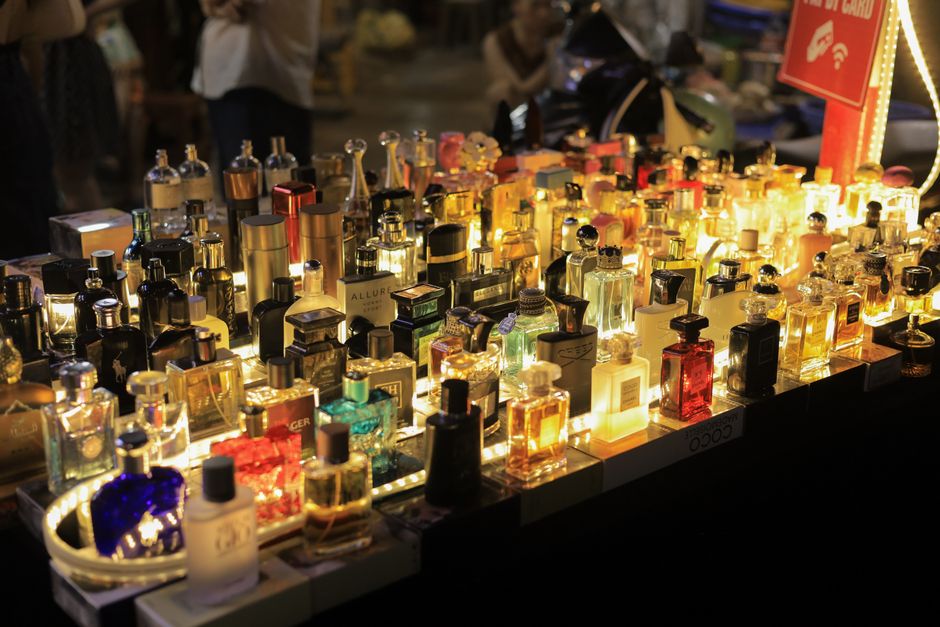
What a Fragrance Dupe Actually Is (and Isn’t)
A dupe is a fragrance built to smell like a pricier one, using similar notes and aroma molecules, but sold under its own name and packaging. That’s the key line to remember. A dupe is legal and honest about being an interpretation. A counterfeit copies a designer’s branding to trick you into thinking it’s the real thing — that’s fraud, and it’s what you want to avoid.
Dupes come in a few flavors. “Inspired by” scents take a loose interpretation of a popular fragrance. “Clones” aim to get as close to 1:1 as possible and usually name the target scent right in the description. Then there are Middle Eastern houses like Lattafa, Armaf, and Al Haramain that make their own compositions that happen to land near Western designers — Armaf’s Club de Nuit Intense Man, for example, is famous for echoing a certain pricey pineapple-and-smoke scent.
They can smell shockingly close because the industry runs on a shared supply chain. A handful of houses like Givaudan and Firmenich sell aroma molecules to everyone, so a dupe maker can buy many of the same building blocks. The gaps usually show up in performance — how long it lasts, how far it projects, and how the dry-down evolves after a few hours.
Set your expectations accordingly. A $30 dupe won’t always be a perfect twin; top notes can differ and longevity varies bottle to bottle. A genuinely good match feels like 80 to 90 percent of the original, which is more than enough when you’re paying a quarter of the price.
How to Match a Scent by Its Notes, Not Its Name
Start with a free database like Fragrantica or Parfumo. Look up the perfume you love and you’ll get its note pyramid — top, heart, and base notes — plus a bar chart of its main accords (fresh, woody, sweet, spicy). That profile, not the brand name, is what you’re actually shopping for.
Learn to spot the workhorse molecules that define whole categories. Ambroxan gives that clean woody-amber punch behind many modern “blue” fragrances. Iso E Super is the velvety cedar note sold on its own as Molecule 01. Ethyl maltol is the cotton-candy sweetness in gourmand scents. Once you know your favorite leans on one of these, you can search dupe catalogs by that trait and find neighbors fast.
Community lists do a lot of the legwork for you. Reddit’s r/fragranceclones and countless “smells like” comparison charts map specific dupes directly to the designer originals they chase. Many dupe brands even publish their own side-by-side charts, so you can go straight from “I love this $160 bottle” to “here are three $35 options that target it.”
If you can’t find an exact match, shop by olfactory family instead. Fresh aquatics, warm ambers, powdery florals, and smoky ouds each share a signature. Filter a retailer by family, and a scent in the same lane will usually scratch the itch even if it isn’t a named clone.
Where to Shop for Dupes Without Getting Burned
Dedicated dupe houses are the cleanest place to start. Brands like Dossier, ALT Fragrances, Oakcha, and Dua sell under their own labels and openly state which designer each one resembles. Pricing commonly runs $25 to $55 for a 50ml bottle, versus $100 to $180 for the inspiration.
Big marketplaces widen your options. Amazon, Walmart, and Target all stock legit Middle Eastern brands like Lattafa and Armaf, often in the $15 to $40 range. Just stay alert: those same marketplaces host counterfeit designer bottles. If a “genuine” luxury fragrance is listed at 70 percent off from a third-party seller you’ve never heard of, treat that as a warning, not a win.
You can screen for fakes in a couple of minutes. Punch the batch code into a free checker like CheckFresh or CheckCosmetic to confirm it’s a real production run. Scan seller ratings and review history, skip boxless “tester” listings from unknown sellers, and zoom in on product photos — misspelled names, crooked labels, and blurry text are classic tells.
Ultra-cheap perfumes on SHEIN and Temu are a mixed bag. Some are perfectly fine inexpensive scents; others have thin ingredient transparency and weak staying power. Patch test them, keep your spending small, and don’t expect all-day performance from a $6 bottle.
Reading Reviews and Testing Before You Commit
Buy a sample before a full bottle whenever you can. Many dupe brands sell 2ml vials or eight-scent discovery sets for under $20, and decant shops like The Perfumed Court or ScentSplit sell small pours of the real designer so you can sniff them side by side. That one step saves you from a shelf of near-misses.
Decode the review vocabulary so ratings actually mean something. “Longevity” is how many hours it lasts; “sillage” and “projection” describe how far it throws; “skin scent” means it sits close to you. For a budget dupe, four or more hours of longevity is a genuinely good result at that price.
Test on skin, not a paper strip, and give it two to four hours to reach the dry-down. Your body chemistry can shift a scent noticeably, and the base notes are what you’ll actually wear all day. While you’re at it, patch test on your inner forearm to rule out irritation, which matters more with cheap oil-based blends.
Finally, read reviews with a skeptical eye. A sudden flood of five-star, one-line reviews posted in the same week, or reviews that clearly describe a different product, are signs the ratings have been gamed. Weight the detailed, specific reviews far more heavily than the star average.
Smart Timing and Price Tactics to Pay Even Less
Compare price per milliliter instead of the sticker. A $35 bottle at 50ml works out to $0.70 per ml, which beats a $25 bottle at 30ml ($0.83 per ml). Concentration matters too — an extrait or parfum is stronger than an eau de toilette, so you use less per wear.
Time your purchase around the US sales calendar. Dupe houses run real discounts on Black Friday and Cyber Monday, and many keep standing bundle deals like “buy three, get one free” year-round. Signing up for a brand’s email or text list usually unlocks a first-order code worth 10 to 15 percent off.
Stretch a modest performer with layering. Spraying a matching unscented lotion first, or pairing the dupe with a coordinating body spray, helps a cheaper scent last longer and project a bit more. It’s a low-cost trick that closes much of the performance gap with the original.
Keep a wishlist and let the deals come to you. Save the dupes you’re curious about, set price alerts where the retailer offers them, and resist the urge to chase every markdown. The smartest sequence is simple: sample it, confirm you love it, then size up to the full bottle on sale.