

SHEIN can be a goldmine or a money pit, and the difference comes down to knowing which categories quietly deliver and which quietly disappoint. Here’s how to shop it smart.

The Categories That Actually Earn a Spot in Your Cart
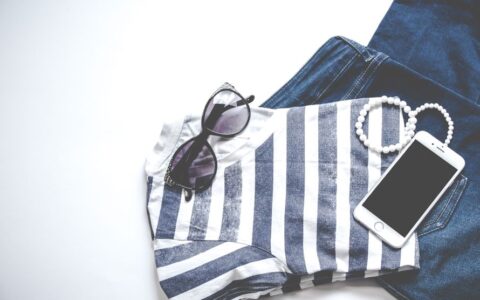
SHEIN shines on low-stakes items where fit and longevity don’t matter much. Accessories are the sweet spot: layered necklaces, hair claws, belts, sunglasses, phone cases, and beanies routinely land for $2 to $6 and look nearly identical to $20 boutique versions. Because there’s no sizing to get wrong, the risk is almost entirely cosmetic, and photos tell you most of what you need to know before checkout.
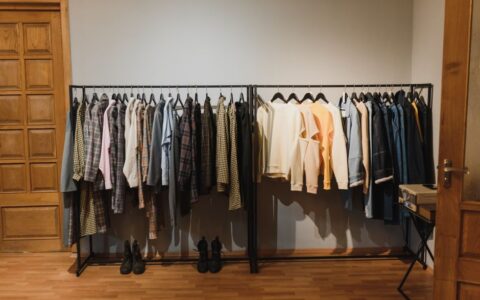
Trend pieces you’ll wear for a season are the other clear win. If a color, silhouette, or micro-trend is hot right now but likely gone by next year, paying $12 instead of $60 is the rational move. The same logic applies to themed and costume-adjacent buys: a Halloween outfit, a bachelorette-party top, or a one-time event look doesn’t need to survive fifty wash cycles.
Don’t overlook the home and organization aisles either. Drawer dividers, cable organizers, small storage bins, mesh laundry bags, and desk trinkets are often the exact same unbranded goods sold on Amazon for double. Loungewear, sleep sets, and casual basics you don’t mind replacing round out the list. These are the corners of SHEIN where the low price reflects a genuine deal, not a hidden compromise.
Where SHEIN Quietly Costs You More
The fastest way to waste money is buying anything you want to keep for years. Seams, zippers, and thin knit fabrics are where fast-fashion economics show, and a $15 “wardrobe staple” that pills, twists at the side seam, or thins out after a month isn’t cheaper than a $40 one that lasts three years. Coats, tailored blazers, denim, and everyday shoes belong in this skip pile.
Technical activewear is another trap. True compression, moisture-wicking, and squat-proof opacity depend on fabric density and construction that budget listings rarely match, even when the photos look the part. Structured swimwear and bras have the same problem: cups, underwire, and linings are precision items, and the return hassle usually outweighs the savings when the fit is off.
Skip electronics and anything with a plug or battery entirely. Chargers, power banks, and string lights from ultra-cheap marketplaces can lack the safety certifications you’d expect from a US retailer, and the few dollars saved aren’t worth the risk. Shoes deserve caution too, especially if you have wide feet or need arch support, since sizing runs inconsistent and there’s no trying-on before you commit.
How to Read SHEIN Reviews Like a Pro
The review section is your quality-control department, so use it aggressively. First, filter to customer photos only. A product shot is a fantasy; a picture taken in someone’s bedroom under normal lighting shows the real color, drape, and fabric sheen. If an item has zero customer photos despite thousands of “sold” counts, treat that as a yellow flag and move on.
Next, read the fit indicator. SHEIN shows a small slider summarizing whether buyers found an item “true to size,” “small,” or “large,” plus tags for how the material and quality landed. If the bar leans heavily toward “small,” size up before you do anything else. Reviewers who list their own height and weight are gold, because you can match yourself to someone with a similar build and see how the same garment actually hung on them.
Finally, go straight to the three-star reviews. Five-star ratings are often posted for a points discount before the item is even worn, and one-star reviews frequently reflect shipping mishaps rather than the product. The three-star middle is where you find the honest “cute but the fabric is thinner than expected” notes that tell you exactly what you’re getting.
Decode the Fabric Tag and Size Chart Before You Add to Cart
Every listing includes a composition breakdown, and it’s the single best predictor of how something will feel and last. For anything you’ll wear against your skin repeatedly, favor cotton, modal, or viscose blends over 100% polyester, which tends to trap heat and cling. Polyester is fine for structured outerwear or a costume piece, but a “cotton feel” summer tee made entirely of poly will disappoint the moment temperatures rise.
Ignore the letter on the size label and work from the measurement chart instead. SHEIN pulls from many suppliers, so a medium from one seller is a large from another, and the centimeter or inch measurements are the only reliable number. Toggle the chart to inches if you think in inches, and jot down the bust, waist, and hip figures for the size you’re considering.
The pro move is to measure a garment you already own and love, laid flat, and compare it directly to those numbers. A tape measure across the chest, waist, and length of your favorite top takes two minutes and removes almost all the guesswork. This one habit is the difference between a haul you keep and a pile you meant to return but never did.
The Real Cost of a SHEIN Cart: Shipping, Returns, and Dupes
The sticker price isn’t the whole story, so factor in the fine print. SHEIN typically sets a free-shipping threshold in the high $20s, which nudges you to add filler items, and returns are usually free once per order before a small fee kicks in on later returns from the same order. Knowing this ahead of time helps you consolidate into one thoughtful order rather than three impulse ones.
Before you check out, do a quick dupe search. Many of the exact same unbranded accessories, phone cases, and home organizers appear on Amazon, Walmart, Temu, and Target’s clearance racks, sometimes at a comparable price with faster shipping and an easier return window. Screenshot the item, run an image or keyword search, and let the total landed cost, not just the item price, decide where you buy.
Use the points and coupon system to your advantage without letting it drive the cart. Daily check-ins, review points, and stacked coupons can trim a real order, but they also exist to keep you browsing. A smart approach is to build a cart, leave it for a day, and delete anything you can’t picture wearing at least five times, so the savings apply to things you genuinely wanted rather than things the discount talked you into.